

From the Masthead

Seamanship Anyone?
While I concentrate on vessel construction and systems, i.e., gensets, engines, electrical, steering, and propulsion systems, I’m a firm believer in basics, including mastering the art of good seamanship. This includes piloting skills, navigation, radio protocol and line handling. I routinely encounter failures in all of these areas; however, poor line handling is among the most common, and within this genre, I’m often surprised by how many marine industry professionals do not know how to make a simple cleat hitch.
The accompanying image depicts two lines “secured” to a cleat, using something other than a cleat hitch (this incorrect example is sometimes referred to as a ‘bird’s nest’); disappointingly, it was made by an industry veteran. Regardless of whether you are an experienced or novice boat owner, newbie or seasoned professional, you should be able to quickly secure a line to a cleat, using a proper cleat hitch.
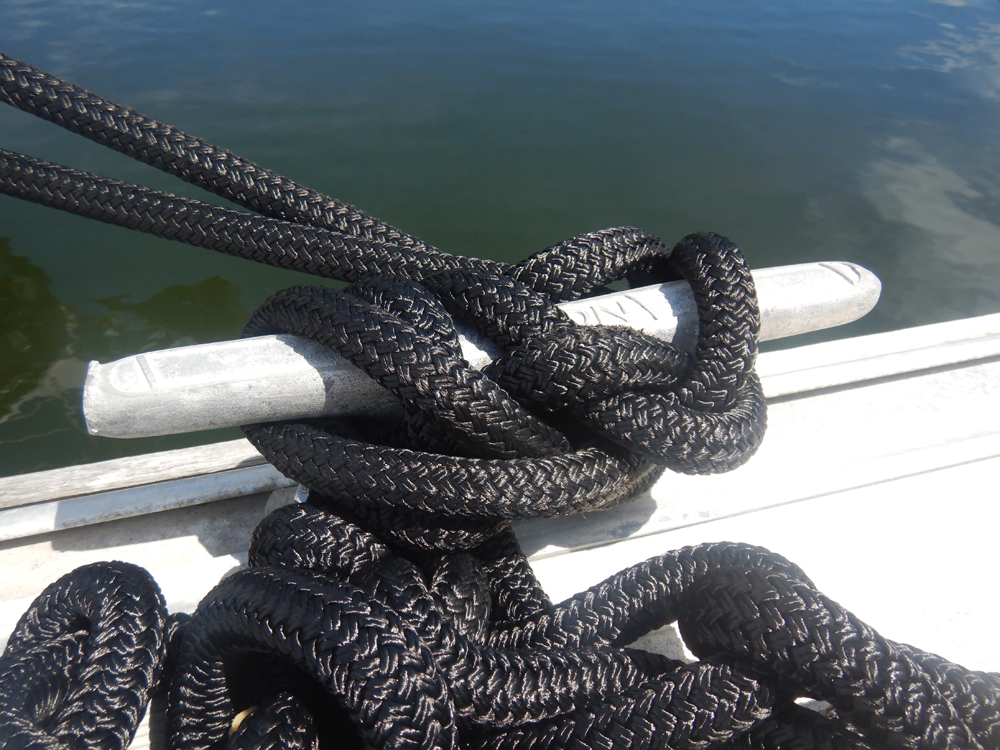
Tying a proper cleat hitch should be a skill possessed by every marine industry professional, from dock hands and marina staff, to mechanics and electricians.
This is a skill you simply must possess, especially if you are in the industry; boat owners can be forgiven for making this sort of error, those in the industry on the other hand, are expected to know better.
More on the subject of lines and hitches here.
This month’s Marine Systems Excellence eMagazine covers the subject of synthetic oil, I hope you find it both useful and interesting.
Synthetic Oil; Is it Right for your Engine?
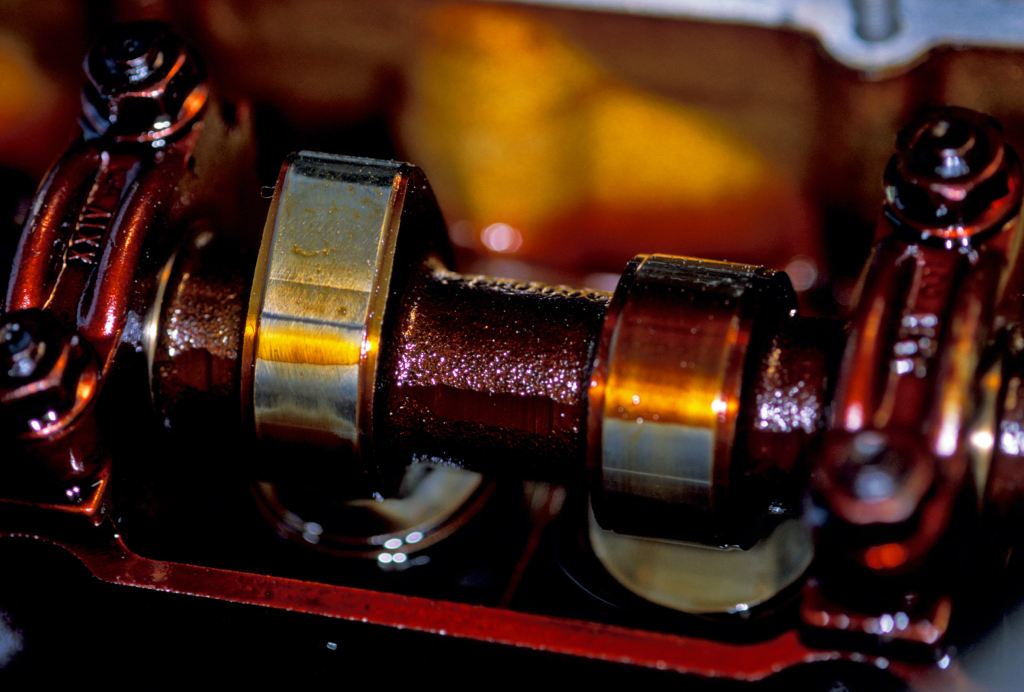
Synthetic oils excel in the most demanding environments, particularly high heat, and with heavily loaded engines and turbochargers.
We live in an industry that’s bombarded with synthetic formulations, from Kevlar laminate reinforcement and Dacron sails, to Spectra line and Teflon packing material. We’ve not only come to trust products made from these scientifically synthesized materials, they’ve taken on an aura of superiority, and often with good reason.
Many passenger vehicles and light trucks built in the past 10 years require, or recommend, the use of synthetic oil. It’s not surprising, therefore, that many boat owners would consider using synthetic-based oil in engines, gensets and marine gears. After all, the benefits of synthetic lubricants are undeniable… or are they?
The most common type of synthetic motor oil lubricant is polyalphaolyfins or PAO-based. Using a process known as polymerization, it forms a pure formulation of uniform molecular chains. Mineral-based oils, on the other hand, are refined from crude oil, yielding a molecular uniformity that is significantly less consistent than its synthetic brethren. Initially developed for the severe environment found in gas turbine, or jet, engines, it is this uniformity that gives synthetic oil its stable, predictable and desirable lubrication behavior. Among other attributes, synthetic lubricants exhibit superior, when compared to mineral-based oils, oxidative and thermal stability. That is, they resist oxidation, a mixture with and reaction to air, and deterioration as a result of exposure to high temperature. Synthetic oils also possess a high viscosity index or VI, which means their viscosity changes very little from cold start up, to hot operating conditions, i.e. they flow better when cold, while maintaining excellent lubricating ability when hot. Broadly speaking, the higher VI equates to less wear and better fuel economy.
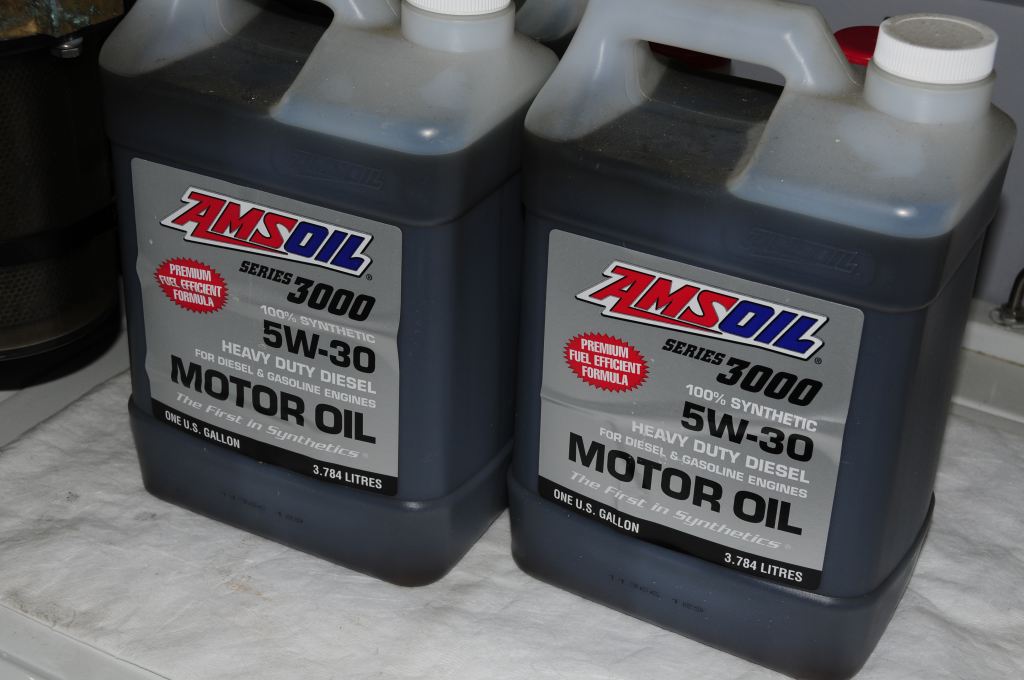
If you opt for synthetic crankcase or gearbox oil, make certain it is approved for use by the manufacturer, and if it is, be sure to use the correct weight and grade.
Crankcases churn and aerate lube oil, as well as exposing it to very high temperatures found at piston rings, as well as exhaust valve stems. The high temperature and rpm found in turbochargers (they can turn at 180,000 rpm), for engines so equipped, adds additional challenges to oil’s ability to provide lubrication and heat removal. Many engines rely on oil jets, which spray oil under pistons for heat removal, further testing oil’s ability to resist thermal breakdown. When a hot engine is shut down, especially one with a turbocharger, oil can coke or caramelize when it becomes stationary, and exposed to very high temperatures. Under such conditions synthetic oil seems like a natural selection.

Heat is one of the chief causes of oil degradation. Synthetic oil was first developed for use in aviation turbine engines, among other things because of its ability to endure extreme heat without breaking down.
Synthetics have a few more tricks up their sleeve, their demusibility, or ability to shed or release water, and hydrolytic stability, resistance to breakdown as a result of exposure to water, also exceeds that of mineral oils. In marine applications, where exposure to high humidity is common, this can be a valuable trait.
At this point I should say I’m a firm believer in the attributes of synthetic oils, I use them, where specified by the manufacturer, and where it makes technical and economic sense, in my own equipment. As noted previously, many of today’s diesel automobile and truck manufacturers mandate, it’s not an option, the use of synthetic oil in their engines.
So, what’s not to like? As good as synthetic oils are, as our vessel’s “engineers” we should be choosing the oil best suited for the application, rather than simply the best oil. Synthetic oil provides the greatest advantage in extreme operating conditions, which include high load and extreme heat, as well as enabling, with some caveats, extended oil change intervals, conditions which typically are not present in many, but not all, marine engines. If you run a trawler at 50% or 60% load, or you run a sail auxiliary that sees 100 hours of use a year, and you change the oil seasonally, at somewhere around 250 hours or less, it’s hard to justify the use of synthetic oil.
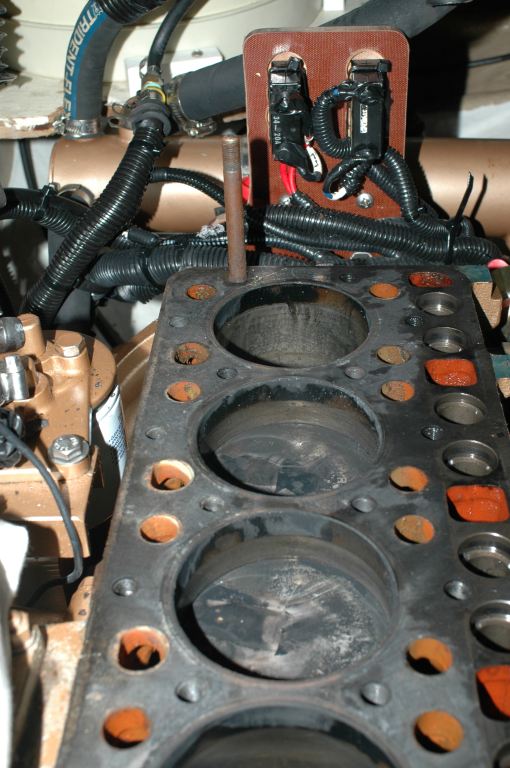
Many marine engines, particularly those used in sailing vessels and trawlers, are underloaded, making it tough to justify the added cost of synthetic oil.
Furthermore, at two to three times the cost of conventional mineral oil, the return is limited when the conditions don’t warrant the use of synthetic oil. Ultimately, provided it meets your engine manufacturer’s specifications, there’s no harm in using synthetic oil, it may provide a measure of added protection and lubrication, and moisture resistance, however, don’t expect miracles from synthetic oil, most recreational diesels don’t suffer failures to internally lubricated parts, they die from chronic under-loading and the carbon deposits it produces, failure of “bolt on” external components, overheating, and of course the ever present specter of corrosion.
If, on the other hand, your goal is achieving an extended drain interval, maybe with bypass filtration (i.e., getting as many hours out if crankcase oil as possible), while minimizing wear, then synthetic or synthetic blended oil may make both technical and economic sense.
Because they are resistant to thermal breakdown and loss of viscosity, synthetics lend themselves to extended drain intervals.
Extended drain intervals should only be carried out in concert with regular (including mid drain) oil analysis, which includes, among other parameters, a measurement of TBN or Total Base Number; a measure of an oil’s ability to neutralize acid.
More on oil analysis and bypass filtration, see this article.

